East Hanover Townships
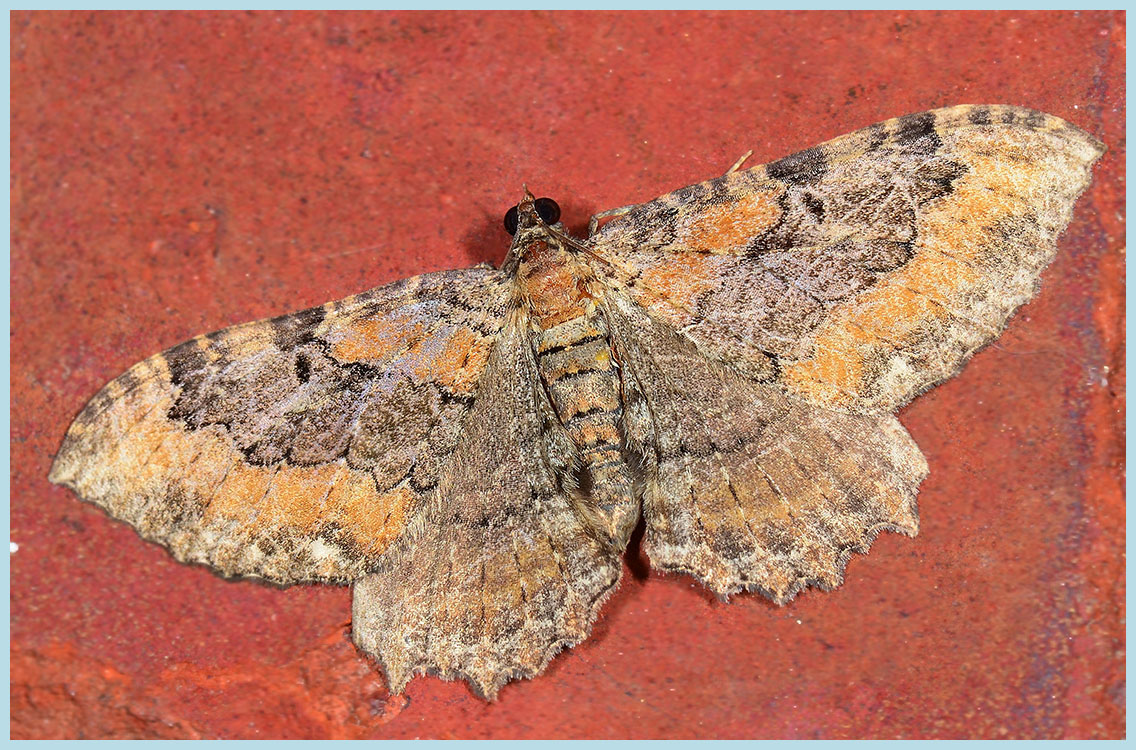
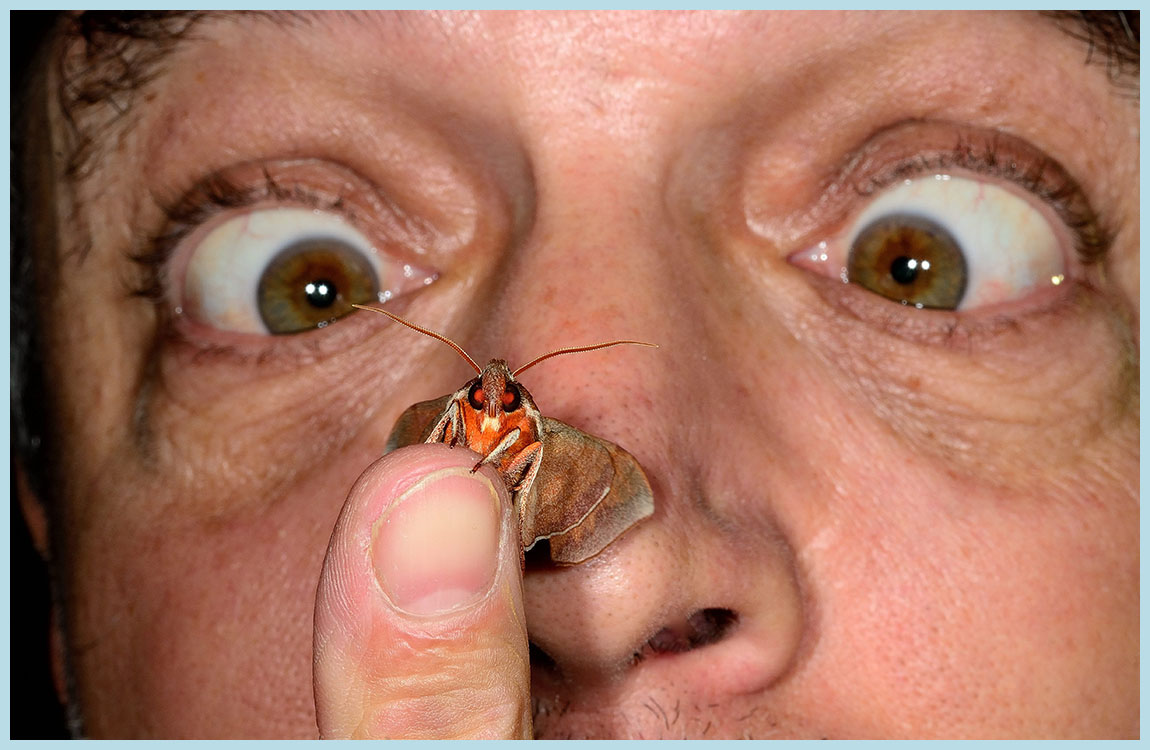
Moths are in the class of "Insecta" - Insects are invertebrates with three parts to its body and six legs.
Moths and butterflies are in the order Lepidoptera, translated to mean "scaly wings" - fitting as their wings are made of microscopic scales.
The suborder Heterocera include moths while the suborder Rhopalocera include all butterflies.
Moths evolved long before butterflies; fossils containing impressions of their former selves have been dated to be 190 million years old. Both types of Lepidoptera are thought to have evolved with flowering plants, mainly because most modern species feed on flowering plants, as adults and larvae. One of the earliest species thought to be a moth-ancestor is archaeolepis mane, whose fossil fragments show scaled wings similar to caddisflies.
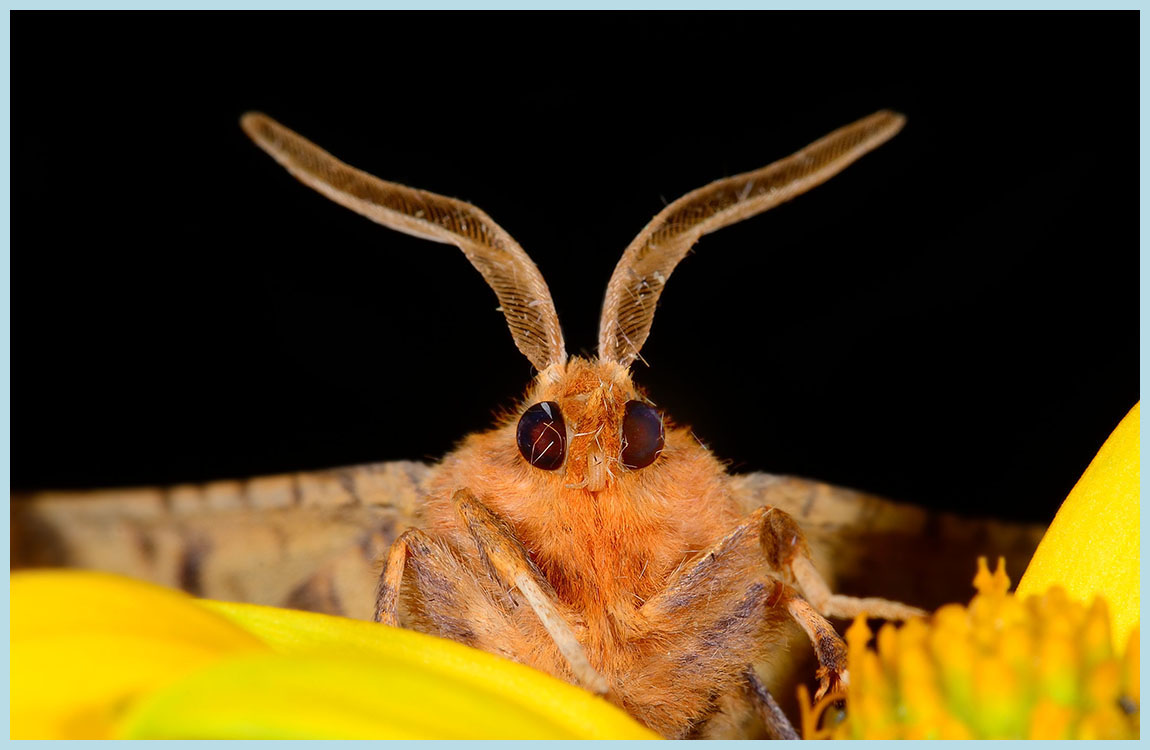
There are several difference between moths and butterflies. Generally butterflies fly during the day and moths fly after dusk. They are most active when the temperature is 80°F, but some species can emerge in winter when temperatures reach the 40's. Moths are generally thick and furry (raised scales) while butterflies are more slender and smooth. Butterfly antennas are slender and thread-like with swollen or club ends, moth antennas are usually feathery. Butterflies rest with their wings folded, moths rest with their wings out and open. These descriptions sometimes overlap, as some species of moths and butterflies can have one or more characteristics specific with what is thought of as common traits for each group.
There are four stages to the life of a moth - first there is the "egg." It hatches into a "larvae" - called a caterpillar. The caterpillar is an "eating machine," it molts out of its skin many times as it grows. Each growth stage is called an instar. Most eventually build "cocoons" where they go through metamorphism. The final stage is called the adult when emergence from the cocoon is complete – the majority of images included in this online guide represent the species in its final form before the life history process begins anew.
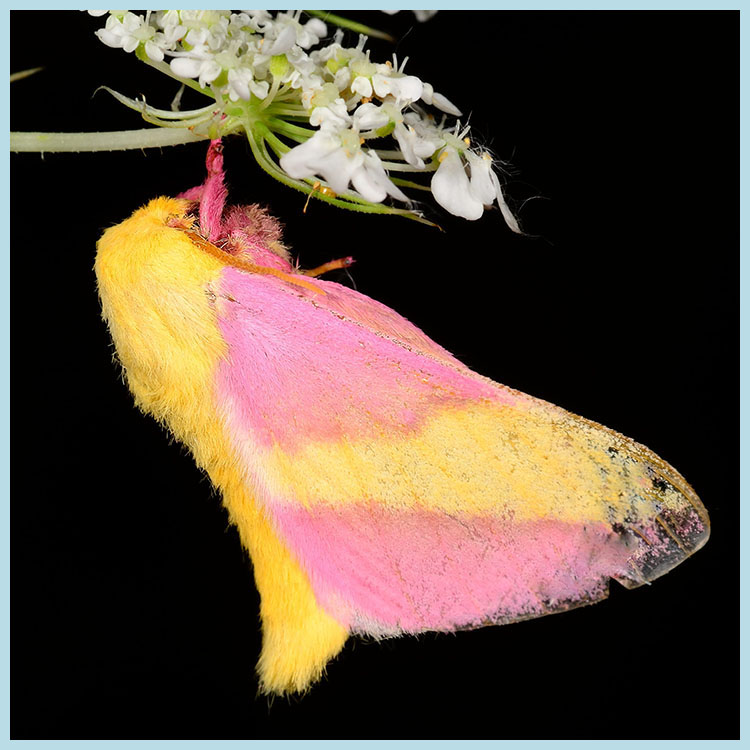
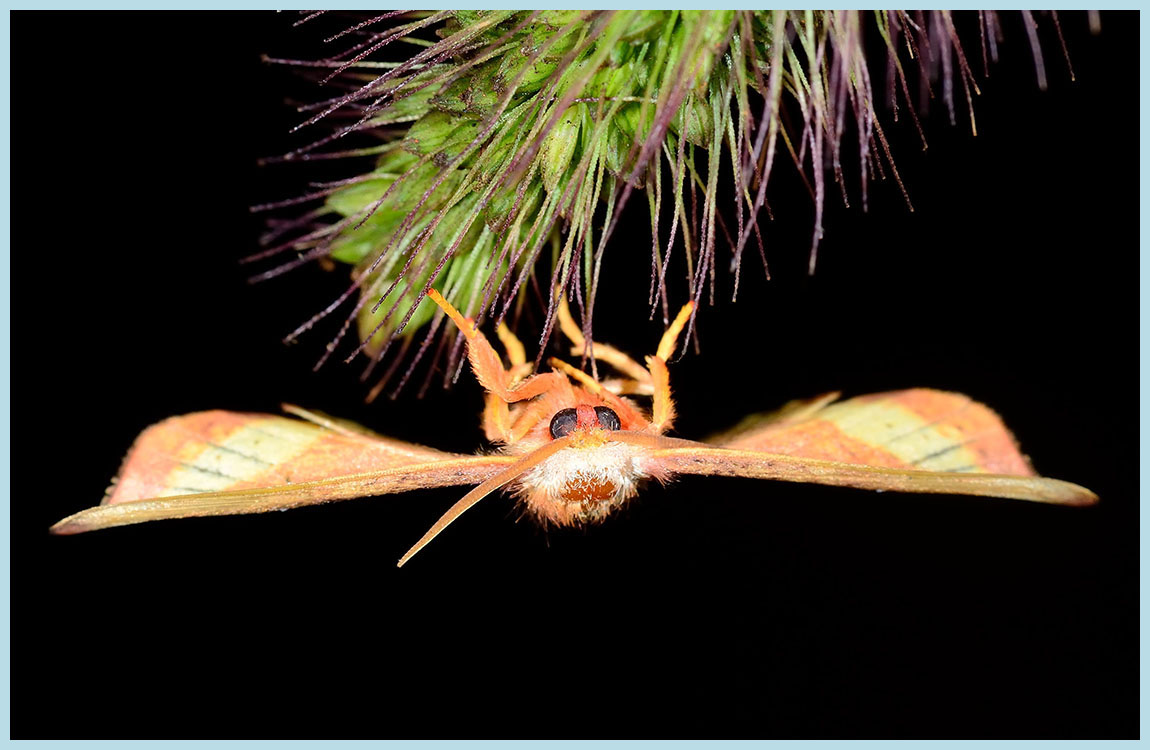
- Adult moths and their caterpillars are food for a wide variety of wildlife, including other insects, spiders, frogs, toads, lizards, shrews, skunks, bats and birds, therefore they are of high value in food webs.
- Moth species have an incredible diversity of life history requirements. It's not a case of one size fits all. Having a complete insect life-cycle is about the only common theme one can derive from the group. With 160,000 species world-wide, 2,200 +/- found in New Jersey, the life style and phenology (timing of life history events) of each species vary like the geometry of snowflakes.
- From the latter it should be obvious that if an area supports a large number of different species representing a good cross section of Lepidopteron families than chances are many interspecific biological associations have formed. In other words food webs, nutrient cycling, and other ecological services are solidified.
- Moth caterpillars have a great impact on plants by eating their leaves. This had led to many types of plants evolving special chemicals to make them less appealing to caterpillars to limit their damage. Moths in the adult stage also benefit plants by pollinating flowers while seeking out nectar, and so help in seed production. This not only benefits wild plants but also many of our food crops that depend on moths as well as other insects to ensure a good harvest.
- Moths play a vigorous and dynamic role in ecosystems as nutrient recyclers. Moths can easily be used to illustrate the flow of energy released by their relentless consumption of living, senescent, and dead coarse organic material in a natural system. Moth larvae, commonly known as caterpillars, are especially good examples of primary consumers, specifically herbivores, as many species feed directly on the leaves, stems, flower heads, seeds, and roots of plants (primary producers). Caterpillars are "shredders" – they break apart coarse organic matter, releasing carbon into atmosphere (carbon cycle), and enriching soil as they reduce plant parts into humus where smaller "detritavores" can do their part.
- Not unlike a canary in a coalmine, moths in many ways are the meteorologists of the environment. Monitoring the ecological status of this guild can give us vital clues to changes in our own environment, such as the effects of new farming practices, pesticides, air pollution and climate change.
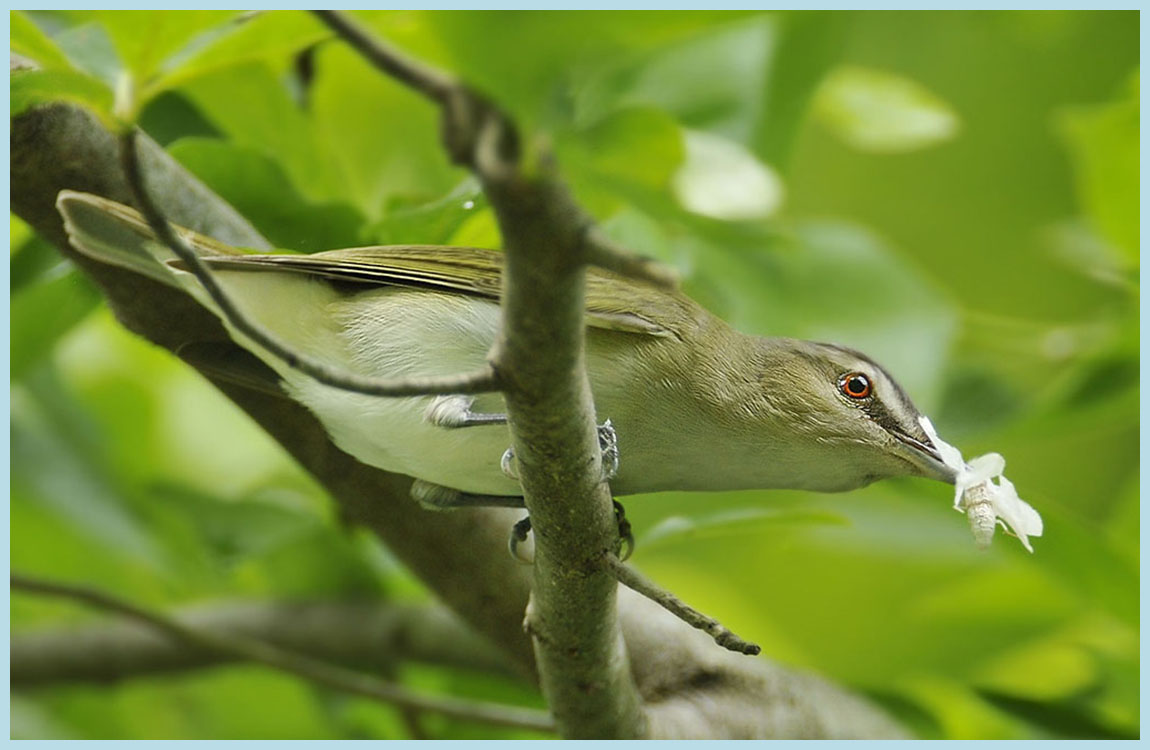
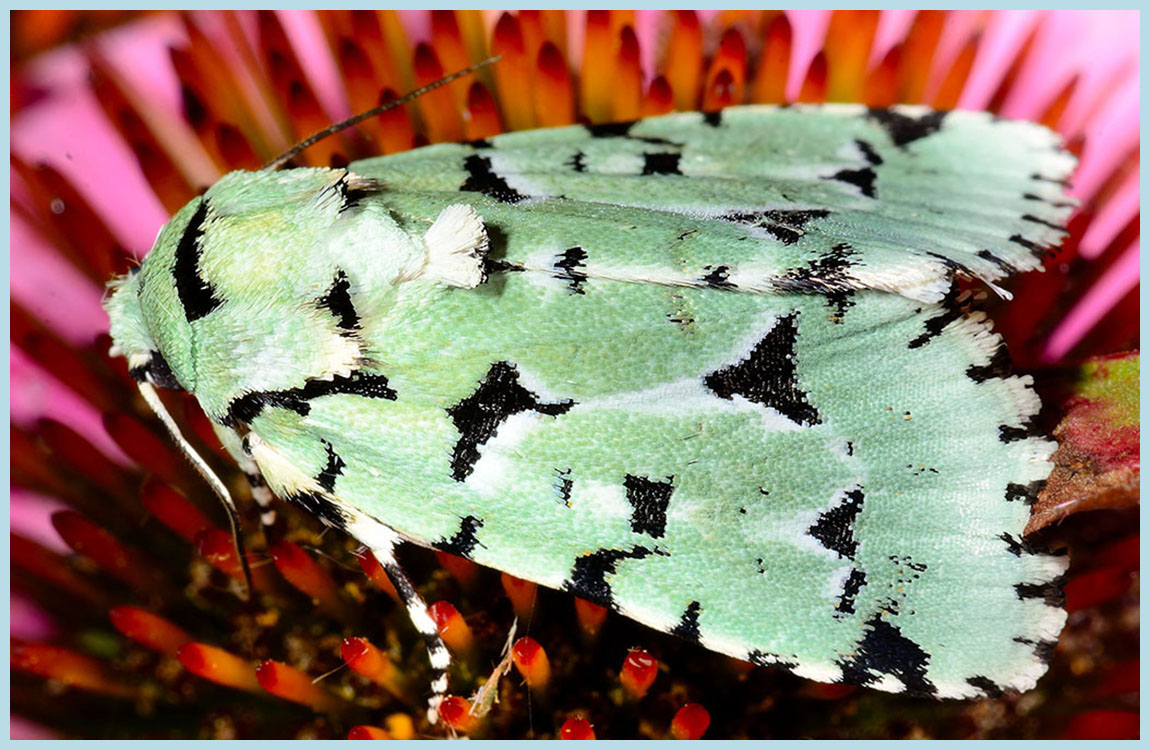
BR Environmental Services has cataloged 300 species of moths in Troy Meadows - 125 species are illustrated in this online field guide.
If you want to become involved with this project, please contact Len@WildlifePreserves.org to coordinate your study locations and provide any species sighting not included in the index. Send your image to Blaine@brenvironmentalservices.com for review and possible inclusion in the guide.
It would not be unheard of to create a list over time that represnets 800 species specific to the ecology of our cherished Meadows providing development and mismanagement of the resource be kept in check.
If you would like to participate in this study, pay strict attention to your location and the habitat surrounding the species. Providing us with detailed and accurate information will help Wildlife Preserves become better stewards of the Meadows.
Blaine Rothauser - Moth Master, Troy Meadows
