Species: Eudryas unio
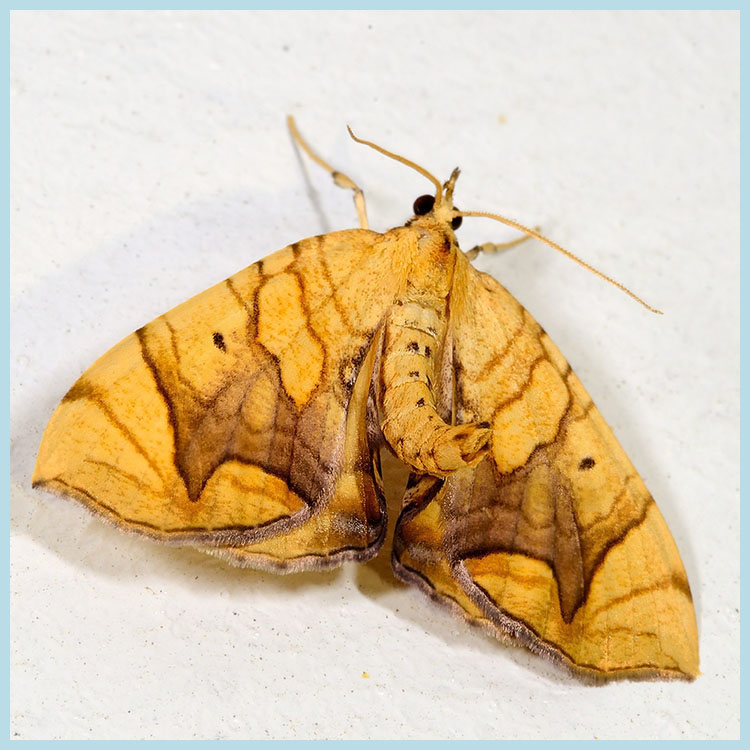
Species: Eulithis diversileata
Hodges: 7196
Flight Period: June - Early October
Length: 28-33mm
Peterson: 181
Hosts: Grape and Virginia Creeper
Field Notes: The images on this plate was taken August 30th, 2013. Buyer beware! This moth and its very close relative the greater grapevine looper (Eulithis gracilineata) are virtual indistinguishable - supposedly the later apparently having a more shaded area between the antemedial and postmedial line (bottom image). Both species are so close in morphology, phenology, and genealogy that they even share the same host plants: grape and Virginian creeper. The typical resting posture, and a diagnostic feature of both moths, is the upward curving abdomen (top image). The moth, like its host plants are very common and will come to lights in small numbers throughout their normal flight period. The genus Eulithis is Holartic and includes 27 species, 14 of which call North America home.
Lateral View
Species: Eulogia ochrifrontella
Hodges: 5999
Flight Period: Mid July - Mid September
Length: 7-8mm
Peterson: 145
Hosts: Apple, oak, mulberry, hickory, pecan
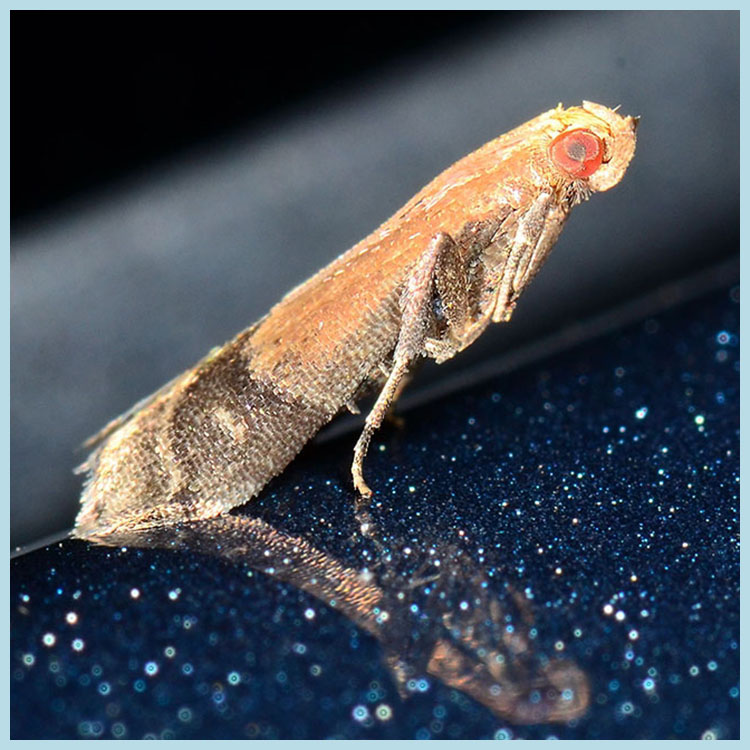
Field Notes: A common little "nothing-moth" that requires complete meditation of awareness to locate when the lights are on. Calling it a "nothing-moth" is incorrect as this moth is highly polyphagous - in other words, in larvae form, it consumes lots of deferent species of plants. So apologies are in order when making the assumption that just because something is tiny it is insignificant. In the broader context of ecosystem functioning it finds itself commensal - neither harming or helping its host. Calling it a nothing-moth alludes to the fact that if you're not looking closely you'll surely miss its presence in the environment. At rest it often posts it self up on its hind legs to mimic parts of its vegetative hosts (see image right). This seems to be an involuntary response as the you can see from the image it is clearly not resting on vegetation.
Eulogia - Greek for blessing (in case you were wondering).
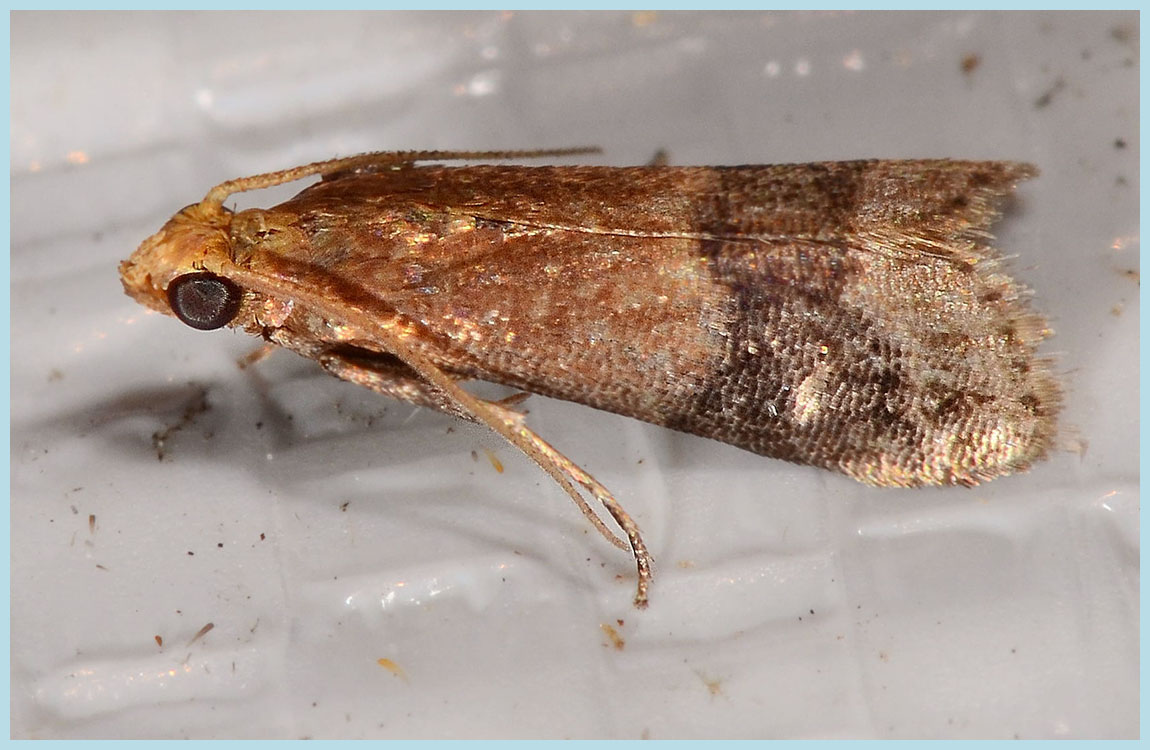
Lateral Views
Species: Eumorpha pandorus
Species: Eupithecia interruptofasciata
Species: Eupsilia morrisoni
Species: Eupsilia vinulenta
Species: Eusarca confusaria
Species: Eustixia pupula
Species: Evergestis pallidata
